Prostate health is one of the most significant men's health concerns after age 50, yet most men know surprisingly little about how the prostate works, what causes it to enlarge, and what they can actually do to support long-term prostate wellness. This guide covers everything men over 50 need to know — from basic anatomy to evidence-based lifestyle and supplement strategies.
What Is the Prostate and Why Does It Cause Problems After 50?
The prostate is a walnut-sized gland that sits directly below the bladder and surrounds the urethra — the tube that carries urine from the bladder out of the body. Its primary function is to produce seminal fluid that nourishes and protects sperm. In a young healthy man, the prostate is roughly the size of a walnut (about 30 grams). As men age, particularly after 50, the prostate typically begins to enlarge — a process called benign prostatic hyperplasia (BPH). By the time a man reaches his 60s, his prostate may have grown to the size of a lemon, and by his 80s it can be even larger.
The problem is the prostate's location. Because it completely surrounds the urethra, when it enlarges it progressively squeezes the urinary tube, restricting urine flow. This creates the cluster of frustrating symptoms men experience: reduced stream strength, hesitancy before urination begins, a stop-start pattern, incomplete bladder emptying, urinary urgency and frequency, and nocturia — waking at night to urinate.
What Causes Prostate Enlargement in Men Over 50?
Cause 1 — DHT and Hormonal Changes
The primary hormonal driver of prostate enlargement is dihydrotestosterone (DHT), produced when the enzyme 5-alpha-reductase converts testosterone to DHT in prostate tissue. DHT is significantly more potent than testosterone as an androgen and stimulates prostate cell proliferation — essentially telling prostate cells to multiply and grow. As men age, 5-alpha-reductase activity increases and DHT levels in prostate tissue rise, accelerating the enlargement process. This is the same mechanism targeted by prescription drugs like finasteride and by natural ingredients like Saw Palmetto.
Cause 2 — Chronic Prostate Inflammation
Chronic low-grade inflammation in the prostate contributes significantly to both gland enlargement and urinary symptoms. Inflammatory cytokines cause prostate tissue to swell, further compressing the urethra. This inflammation can have multiple causes including bacterial prostatitis (which may resolve), non-bacterial chronic pelvic inflammatory syndrome, dietary factors, oxidative stress, and immune dysregulation. The inflammatory component is frequently overlooked in treatment approaches focused solely on DHT inhibition, which is why addressing inflammation is a critical dimension of comprehensive prostate care.
Cause 3 — Nutritional Deficiencies
The prostate gland concentrates several nutrients at extraordinary levels compared to other tissues. Zinc is concentrated in healthy prostate tissue at 10 times the levels found in other soft tissues. Research has consistently shown that zinc levels decline significantly in BPH-affected prostate tissue. Selenium, vitamin D, and lycopene are also associated with prostate health outcomes in epidemiological research. Nutritional deficiencies that accumulate with age directly impair the prostate's ability to maintain healthy function and defend against oxidative damage.
Evidence-Based Strategies for Prostate Health in Men Over 50
🌿 Saw Palmetto Supplementation
The most extensively studied natural intervention for BPH symptoms. Multiple trials demonstrate improvements in urinary flow rate and reduction in nighttime urination frequency at appropriate doses.
🌈 Reduce Alcohol and Caffeine
Both are prostate and bladder irritants that worsen urinary symptoms significantly. Reducing alcohol particularly is one of the fastest lifestyle changes for improving nocturia and urgency.
📄 Regular PSA Screening
Annual PSA testing after age 50 (or 40 with risk factors) is the most important prostate cancer detection tool. Early detection dramatically improves outcomes. Discuss with your physician.
🏃 Regular Exercise
Physical activity reduces systemic inflammation, supports healthy testosterone levels, and improves pelvic floor function. Walking 30 minutes daily has measurable benefits for prostate and urinary health.
🥤 Prostate-Supportive Diet
Foods high in zinc (oysters, pumpkin seeds), lycopene (tomatoes, watermelon), selenium (Brazil nuts), and omega-3 fatty acids (fatty fish) all support prostate health. Mediterranean diet patterns are associated with lower BPH risk.
💧 Timed Fluid Intake
Maintain good hydration throughout the day but reduce fluid intake in the 2 to 3 hours before bedtime. This simple practice significantly reduces nighttime urinary trips without requiring any medication.
Understanding Prostate Screening — PSA Testing Guide for Men Over 50
The PSA (Prostate-Specific Antigen) test measures a protein produced by the prostate gland in the blood. Elevated PSA levels can indicate prostate enlargement (BPH), prostate inflammation (prostatitis), or prostate cancer. PSA screening is the primary tool for early prostate cancer detection and is recommended for men over 50 (or over 40 for men with a family history of prostate cancer or of African American descent).
Understanding PSA results requires context. A PSA level that is elevated does not automatically mean cancer — BPH and prostatitis both elevate PSA. Your physician will evaluate PSA trends over time, PSA velocity (rate of increase), PSA density (PSA relative to prostate size), and other clinical factors to determine whether further investigation is warranted. Discuss PSA testing with your physician and ensure you inform them of all supplements you are taking before testing.
When to See a Doctor About Prostate Symptoms
While many prostate symptoms are benign and manageable with lifestyle and supplement strategies, certain symptoms require prompt medical evaluation. See your doctor without delay if you experience complete inability to urinate (urinary retention), blood in your urine or semen, pain or burning during urination, severe pelvic pain, unexplained weight loss alongside urinary symptoms, or a PSA result that concerns your physician.
Regular annual visits to your physician including PSA monitoring are the foundation of prostate health management for men over 50. Dietary supplements including ProstaVive can provide meaningful supportive benefits alongside medical monitoring but are not a substitute for regular clinical evaluation.
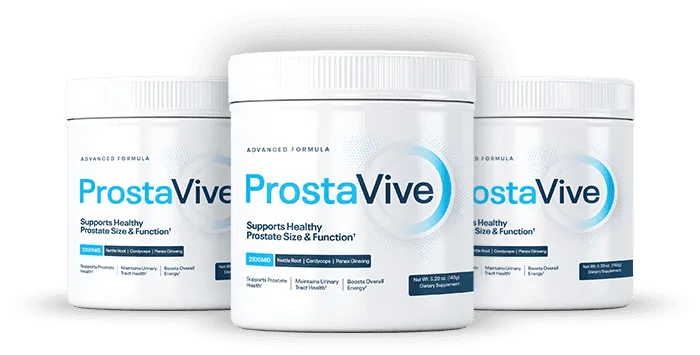
Try ProstaVive Risk-Free — 180-Day Guarantee
Regular Price: $99/Per Bottle
Only $39/Per Bottle
Prostate Health Guide — FAQ
1. Wilt T, et al. (2002). Saw palmetto extracts for treatment of benign prostatic hyperplasia. JAMA. PubMed ↗
2. Prasad AS, et al. (1996). Zinc status and serum testosterone levels of healthy adults. Nutrition. PubMed ↗
3. Lopresti AL, et al. (2019). Randomized Double-Blind Study of Ashwagandha in Aging Males. American Journal of Men's Health. PubMed ↗